The question holding many travellers up before they book is not what to get, but how to get it. Fine and delicate, or bold and graphic? It is a genuine decision with real consequences, because the wrong choice for your skin tone or placement can mean a tattoo that looks brilliant on day one and muddy by year three. Here is what actually matters when you are weighing up the two.
What separates fine line from bold work?
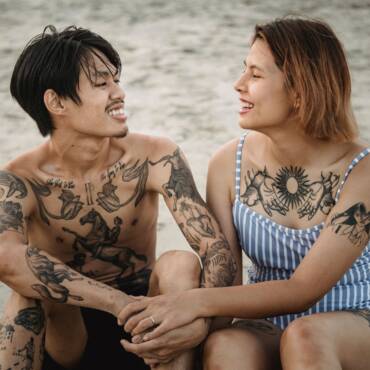
Fine line tattooing uses single needles or very tight needle groupings to create thin, precise marks. Think delicate botanical drawings, intricate portraits, musical notation, geometric patterns with hairline edges. The lines are narrow, the shading is soft, and the overall effect is understated. Bold work uses thicker needle groupings to lay down saturated colour or heavy black, creating lines that hold their shape over decades. Traditional, neo traditional, Japanese, tribal and blackwork all fall broadly into the bold category. The distinction matters because each style interacts differently with skin texture, tone and placement.
Does skin tone affect which style holds up?
Yes, and it is one of the most under discussed parts of the decision. On lighter skin tones, fine line work reads crisply against the skin, and the contrast between ink and skin does most of the visual work. On deeper or more olive skin tones, a delicate line can lose contrast and appear softer or slightly muted over time, especially once the skin has healed fully and any initial brightness has settled. Bold black lines and saturated pigments generally hold their definition across a wider range of skin tones because the contrast is built into the ink weight rather than relying on the skin as a background. That said, fine line absolutely works on medium and darker skin tones when the artist designs for the skin rather than copying a reference made for a different complexion. This is exactly the conversation to have during a free consultation before committing to a design.
Which body placements work best for each style?
Placement changes everything. Fine line work tends to shine on areas where the skin is relatively stable and flat: the forearm, upper arm, ribcage and thigh often give crisp results. Areas that stretch significantly, move constantly or sit over joints, such as the inner elbow, behind the knee, the ankle or the top of the foot, are harder on delicate lines because skin movement and sun exposure can accelerate how quickly fine work softens over time. Hands, fingers and feet are well known for fading regardless of style. If you are planning a half sleeve or full sleeve, the two styles can coexist beautifully in the same piece, with bold framing elements anchoring finer detail work inside them.
What about Bali’s climate and sun exposure while you heal?
Getting a tattoo in a tropical climate means the healing environment is warm and humid, and the temptation to jump back in the pool or ocean is real. Fresh fine line work is particularly sensitive to sun exposure during healing because the narrow ink deposits sit close to the surface. Both styles need to be kept out of direct sunlight while the skin is healing, regardless of how saturated the ink is. If your Bali trip means beach days start immediately after your appointment, factor that into your placement choice. A placement that stays under clothing, or that you can realistically keep covered for the first week, gives any style a better result. Talk that through honestly with your artist before the stencil goes on.
Is fine line tattooing harder to get right?
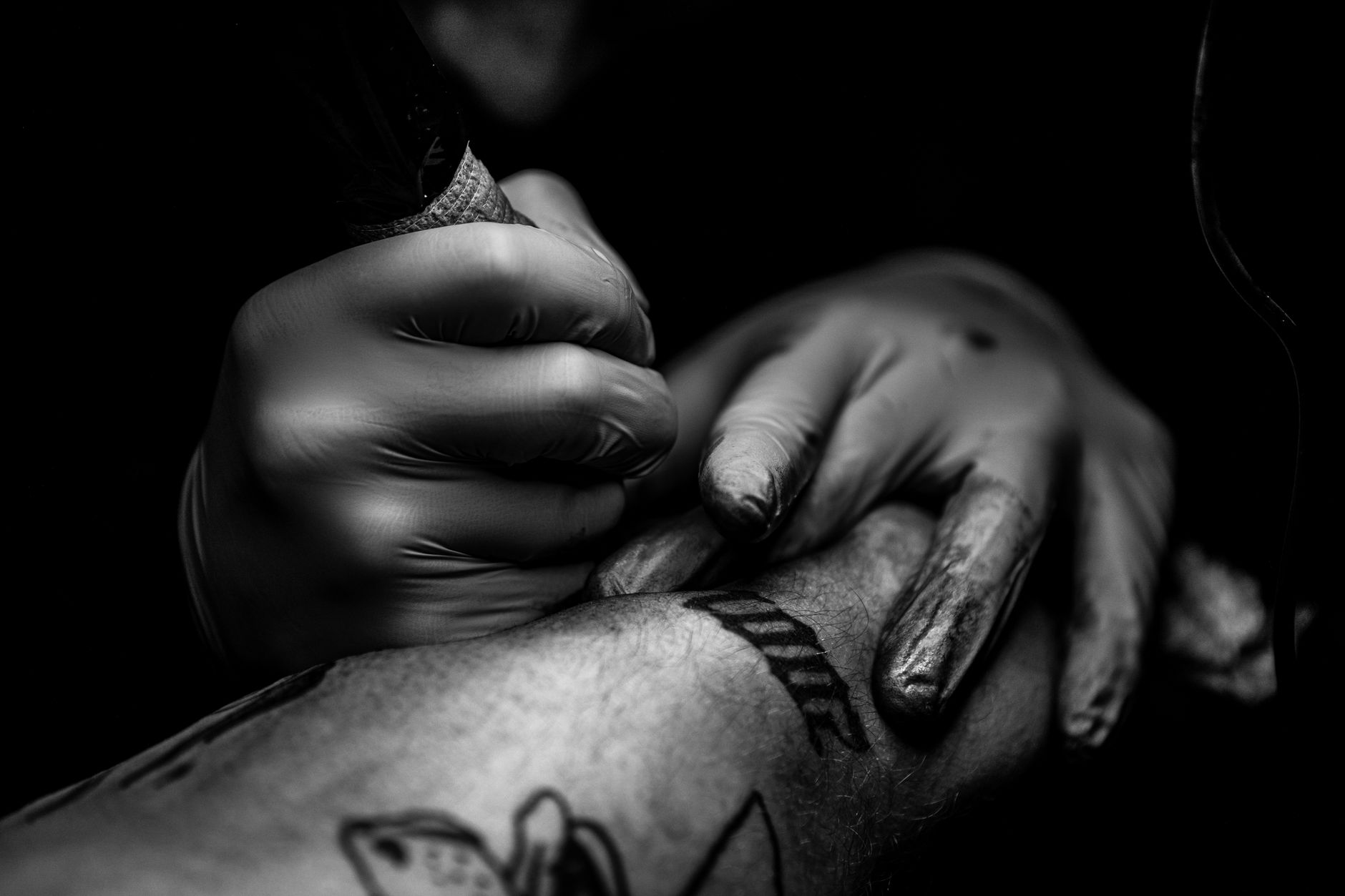
Fine line is technically demanding in a specific way. The margin for error on a single needle line is smaller than on a bold outline, and consistency of hand pressure over an entire piece is what separates clean fine line from patchy fine line. One reviewer on the Downunder Tattoo Bali Google listing, which carries a 5.0 star rating across 268 reviews, described their tattoo as “extremely clean and precise, with great mastery of fine line tattooing, especially on the very delicate details of the musical score.” That kind of feedback gives you a real benchmark to compare against when choosing a studio. Bold work has its own technical demands, particularly in packing colour evenly and keeping black fills solid without blowout, but the visible tolerance for minor variation is generally wider. Neither style is easier across the board; they each demand different skills, and the best studio for your job is one where the artists work across both.
What styles does Downunder Tattoo Bali offer?
Downunder Tattoo Bali works across a broad range of styles, which is important when you are still deciding. The style list includes fineline and engraving, portrait, realism, blackwork, dot work and shading, traditional, neo traditional, oriental and abstract work, alongside cover ups, reworking of old or faded tattoos, and custom lettering. So whether you land on something delicate or a full blackwork sleeve, the artists handle both ends of the spectrum. If you want to see finished work before booking, the tattoos portfolio at Downunder Tattoo Bali shows recent pieces across styles, which is a useful way to judge which direction suits what you have in mind.
How do you decide before your appointment?
Bring reference images that show the feeling you want, not just a single picture from Pinterest. Bring a mix: a few delicate examples and a few bolder ones. Then tell your artist where you want the placement, describe how much sun your skin gets regularly, and ask them directly which approach they think will serve you better in five years rather than just five days after the ink is fresh. That conversation is free at Downunder Tattoo Bali. Walk ins are welcome every day from 10am to 10pm, so if you are already in Kuta and want to talk through ideas before committing, you can do exactly that without planning ahead. If you want to lock in a time and request a quote before your trip, the booking and appointment pages on the site are the place to start.
Frequently asked questions
Does fine line tattooing age badly?
As a general rule, fine line tattoos do fade faster than bold work, particularly on high movement areas or skin that gets a lot of sun. The key is choosing the right placement and working with an artist who designs the piece for your specific skin tone rather than reproducing a reference image made for a completely different complexion.
Can I get a fine line tattoo if I have darker skin?
Yes, but the design needs to account for how contrast works on your specific complexion. An experienced artist will adjust line weight, spacing and shading to keep the tattoo readable and striking rather than applying a one size fits all approach. This is a conversation worth having in your free consultation before the stencil goes on.
What bold styles are popular for custom tattoo work?
Traditional, neo traditional, blackwork and oriental styles are among the bold options Downunder Tattoo Bali lists as part of its custom design offering. Each uses heavier ink deposits and strong outlines, which tend to maintain definition well. Your artist can walk you through which suits your concept and placement during a free consultation.
Can I combine delicate and bold elements in one tattoo?
Absolutely, and many of the most visually interesting custom pieces do exactly that. A bold black frame or background with intricate detail inside is a classic approach that gives you the longevity of bold work and the intricacy of a lighter touch in the same piece. Custom design is one of the things Downunder Tattoo Bali specifically offers, so if you have a mixed concept, bring it to the consultation.
Do I need to book ahead for a style consultation, or can I walk in?
Walk ins are genuinely welcome at the studio in Kuta every day from 10am to 10pm, and consultations are free. If your holiday schedule is tight or you want to nail down a time and get a quote sorted before you fly, booking an appointment through the site gives you certainty. Either way, you are not committing to anything by coming in to talk through your options.
Sources
This article draws on the following pages.