Getting a tattoo in Bali is one of the most popular things travellers do on the island, and for good reason. Skilled artists, competitive pricing and a relaxed atmosphere make Bali Indonesia one of the best places in the world to get quality ink. But with hundreds of studios scattered across Kuta, Seminyak, Canggu and beyond, knowing what to look for, and what to avoid, can make all the difference between a tattoo you love for life and one you regret before the tan fades. This guide covers everything you need to plan your Bali tattoo trip properly.
Why Bali Is Such a Popular Tattoo Destination
Bali has been attracting tattoo-hungry travellers for decades, and the reasons are straightforward. Artist quality has improved dramatically over the past ten years, with many Balinese tattooists now trained in international techniques across styles like fine line, realism, Japanese traditional and black and grey. Pricing is considerably lower than what you would pay in Australia, New Zealand or the UK for comparable work, without the quality necessarily reflecting that difference. Add to that the fact that getting tattooed feels natural in Bali’s culture-rich, body-art-positive environment, and it becomes obvious why so many travellers put a tattoo on their Bali itinerary before they even book flights. The key is choosing wisely, because the gap between the best studios and the worst is enormous.
Hygiene Standards: The Non-Negotiable Factor
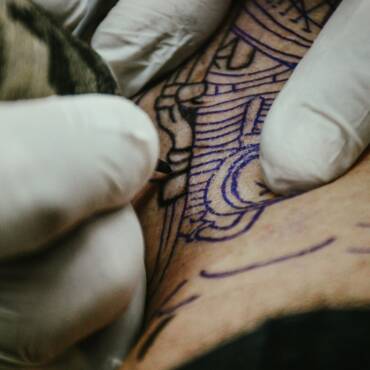
Hygiene is where studios in Bali separate themselves most clearly, and it is the single most important factor to assess before sitting in a chair. A reputable studio will use individually sealed, single-use needles opened in front of you, fresh ink caps for every session, hospital-grade autoclave sterilisation for reusable equipment, and disposable gloves changed as needed throughout the sitting. Surfaces should be covered with fresh barrier film or wiped down with hospital-grade disinfectant between clients. If you walk into a studio and the artist reaches for a needle without breaking a fresh seal in front of you, leave. Bloodborne pathogens including hepatitis B, hepatitis C and HIV are real risks when hygiene shortcuts are taken. Studios that invest in proper hygiene practice are proud of it and will show you their setup without hesitation if you ask. For a more detailed breakdown of what to look for, this guide to finding a safe, quality tattoo studio in Bali Indonesia is worth reading before you go.
Tattoo Styles Available in Bali
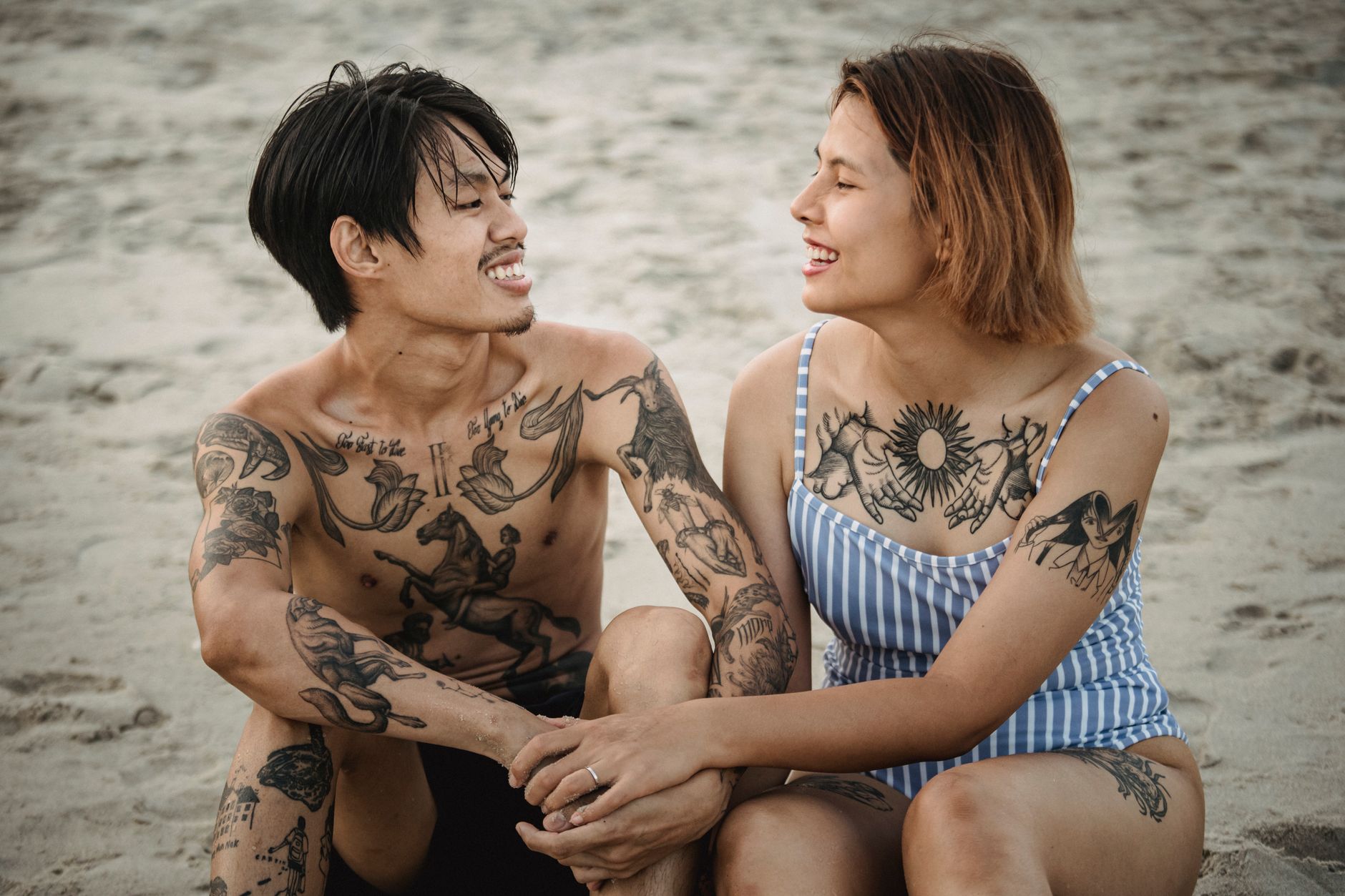
The range of styles available at good Bali studios is wider than most travellers expect. Fine line tattooing has grown massively in popularity and Bali now has artists who specialise in ultra-delicate linework and botanical designs. Japanese traditional, including irezumi-influenced sleeve work and Koi and dragon motifs, is well represented. Realism portraits, both black and grey and colour, are offered at studios with experienced artists who can show strong healed portfolio examples. Old school and neo-traditional styles suit travellers who want bold, classic pieces. Cover-up work is another common request, with skilled artists able to assess your existing tattoo and design something that genuinely works over it, rather than just placing a heavy black shape on top. Tribal and ornamental designs remain popular given Bali’s cultural context. Whatever style you are after, always ask to see a portfolio specific to that style rather than a general gallery, because artists tend to specialise.
How Pricing Works for Bali Indonesia Tattoos
Tattoo pricing in Bali is lower than most Western countries, but the cheapest quote is never a reason to choose a studio. Most reputable studios price by size and complexity rather than by the hour, though hourly rates are sometimes used for larger or more intricate pieces. A small, simple design might cost a fraction of what you would pay at home, while a detailed sleeve or full back piece still represents a serious investment, just at Bali rates rather than Sydney or Auckland rates. Be cautious of studios quoting extremely low prices, as cutting corners on ink quality, needle quality or sterilisation equipment is often how those prices are achieved. A studio that charges a fair price and uses top-grade supplies is a far better value proposition than a cheaper one that compromises on safety. Always confirm the total price and what it includes before the session begins so there are no surprises.
What to Do Before Your Appointment
A little preparation before your tattoo session makes a meaningful difference to both the process and the result. Arrive well hydrated and having eaten a proper meal, as low blood sugar makes the experience harder on your body and can cause dizziness or fainting. Avoid alcohol for at least 24 hours beforehand, ideally 48 hours, because alcohol thins the blood, makes skin harder to work with and slows healing. Wear or bring loose clothing that gives easy access to the area being tattooed. If you have a reference image or design idea, bring multiple examples of work you like and be specific about what appeals to you in each. A good artist will appreciate clear direction and use it to create something tailored to you rather than just copying someone else’s tattoo. Skin that is heavily sunburnt cannot be tattooed safely, so keep the area out of direct sun for several days before your appointment if you are visiting during Bali’s dry season.
Aftercare in a Tropical Climate
Aftercare in Bali’s heat and humidity requires a bit more attention than it would at home. The tropical environment creates conditions where infection risk is slightly elevated, so following your artist’s aftercare instructions carefully is essential. Keep the fresh tattoo clean and out of the ocean, swimming pools and Bali’s waterways for at least two weeks. Saltwater and chlorine both interfere with healing, and Bali’s rivers and some beach areas carry bacteria that you do not want near an open wound. Apply a thin layer of unscented, non-comedogenic moisturiser or the healing balm your studio recommends once the initial wrap is removed. Avoid direct sun on the fresh tattoo entirely for at least three to four weeks, and use high SPF sunscreen on healed tattoos for the rest of your trip. If you notice unusual redness spreading beyond the tattoo, warmth, swelling or discharge, seek medical advice promptly rather than waiting to see if it resolves.
Choosing the Right Studio in Kuta and Beyond
Kuta is the most accessible area for tourists and home to some of Bali’s most established studios. When choosing a studio, look beyond the walk-in shopfront and assess the actual evidence: verified Google reviews with real photos of healed work, a consistent portfolio across the specific style you want, transparent communication about pricing and process, and a clean, organised workspace that is visibly well maintained. Studios with a long track record, a team of artists rather than a single person, and a physical street presence that you can visit in person before committing tend to offer more reliable experiences. Ask whether a consultation is available before booking, particularly for larger or more complex pieces. If a studio or artist is reluctant to discuss their process, show you their hygiene setup or share their portfolio in detail, that is a signal to keep looking. Bali tattoo shop and piercing services at Downunder Tattoo Bali are available to walk-ins and pre-booked appointments, with a team that welcomes questions about any part of the process.
Planning Your Visit
The most satisfied tattoo clients are those who plan ahead rather than making a last-minute decision on the street. Research studios and artists before you fly, save portfolio examples you like, and reach out to book or enquire before your trip begins so that the appointment fits naturally into your Bali schedule. Allow enough time before your departure for at least the initial healing stage, ideally several days rather than flying out the morning after your session. If you are getting a larger piece across multiple sessions, plan those into your itinerary from the start. Coming prepared with a clear idea of what you want, a studio you trust, and a realistic understanding of aftercare requirements means you leave Bali with exactly what you came for: a well-executed tattoo from a professional studio that you will still be proud of years later.