
Bali has hundreds of tattoo shops, from tiny street-front booths in Seminyak to purpose-built studios in Kuta. That range is exciting if you know what to look for, and genuinely risky if you don’t. Tourists who do a little research before they fly home with a tattoo they love; those who walk into the nearest shop on a whim sometimes don’t. This guide breaks down exactly what to check when comparing Bali tattoo shops, so you can make a confident call and enjoy the whole experience.
Why the Sheer Number of Options Can Work Against You
Kuta, Seminyak, Canggu and Ubud are all packed with tattoo shops competing for tourist dollars. Heavy competition keeps prices low, which is one of the reasons getting tattooed in Bali is so appealing for Australians and New Zealanders. But it also means quality varies enormously. Some studios run at world-class standard. Others cut corners on ink, needles or sterilisation because they know most clients are only in Bali for a week and won’t return to complain. The safest approach is to treat a tattoo shop in Bali the same way you’d treat one back home: look at the portfolio, check the hygiene, read the reviews, and never let a bargain-basement price override obvious red flags.
What Genuine Hygiene Looks Like Inside a Studio
A clean-looking reception area tells you almost nothing about actual hygiene practices. What matters is what happens at the workstation. A trustworthy Bali tattoo shop will use single use, pre-packaged needles opened in front of you, disposable ink caps that are thrown away after each session, autoclave-sterilised equipment for anything reusable, and gloves changed whenever the artist touches anything other than your skin. The artist should also be able to explain their process if you ask. Studios that get defensive or vague about sterilisation methods are worth walking away from. Western-owned or Western-managed studios tend to apply the same standards their owners grew up with, which is one reason Australian-run studios in Bali attract so many return visitors from home.
Reading Reviews the Right Way
Google reviews are your first filter, but volume and recency both matter. A studio sitting at 4.9 stars with twelve reviews is harder to trust than one with 4.8 stars across several hundred reviews spread over multiple years. Look for reviews that mention specific artists by name, describe the cleanliness of the studio, and include photos of healed work rather than fresh tattoos. Fresh ink always looks sharper than it will long-term, so healed photos give you a much more realistic picture of quality. Also pay attention to how the studio responds to any negative feedback. A professional response to a complaint says a lot more about a business than a wall of five-star praise with no substance behind it.
Style Matters: Match the Artist to What You Want
Not every artist in every Bali tattoo shop works in every style. A studio might have one artist who does exceptional fine line work and another whose strength is bold traditional Japanese pieces. Before you commit, browse the specific artist’s portfolio on Instagram or on the studio’s own gallery, not just a general shop portfolio that mixes everyone’s best work together. If you want a cover up tattoo, check whether the artists have documented experience with cover ups specifically, since they require a different skill set from a fresh piece. The same applies to realism, watercolour, dotwork and geometric styles. Asking to be matched with the right artist for your design is completely normal and any confident studio will appreciate the question.
Pricing in Bali: What’s Reasonable and What’s a Warning Sign
One of the genuine advantages of getting tattooed in Bali is that studio rates are significantly lower than comparable work in Australia, the UK or the US, without necessarily sacrificing quality. A ballpark for a small to medium piece at a reputable studio in Kuta might be a fraction of what you’d pay at home for identical quality. That said, an unusually low quote from a studio with no visible portfolio, no Google presence, or a reluctant attitude toward hygiene questions should make you pause. Cheap ink, cheap needles and undertrained artists create poor outcomes that cost far more to fix later. Paying a little more at an established, well-reviewed studio is almost always worth it, especially when you’re travelling and don’t have the option of easy follow up appointments.
Questions to Ask Before You Sit Down
Walking in and asking a few direct questions takes less than five minutes and can save you a lot of regret. Ask whether needles are single use and opened in front of you. Ask how equipment is sterilised between clients. Ask to see the artist’s portfolio for the specific style you want. Ask whether a consultation or drawing session happens before you commit to the full piece. Ask about aftercare products they recommend and whether they’re available at the studio. A shop with nothing to hide will answer all of these calmly and thoroughly. If you want more detail on what safe studios look like from the inside, this guide to finding a safe, quality tattoo studio in Bali Indonesia covers the topic in depth and is worth reading before your trip.
Why Location Within Bali Also Matters
Kuta is the most convenient area for most tourists arriving through Ngurah Rai International Airport, and it has a strong concentration of established studios with genuine track records. Canggu has grown quickly and has some excellent studios, though it also has many newer operators whose reputations are still unproven. Ubud studios lean toward artistic and decorative work but can be further from where most beach-focused travellers are staying. Seminyak sits somewhere in between. The practical advice is to pick the area where you’re already based or that you can reach easily, then use reviews, portfolios and the hygiene checklist above to narrow down within that area. Travelling an extra thirty minutes on a scooter is fine; getting a tattoo at an unfamiliar studio just because it’s fifty metres from your villa is a less sound reason to choose.
What to Expect at a Well-Run Studio
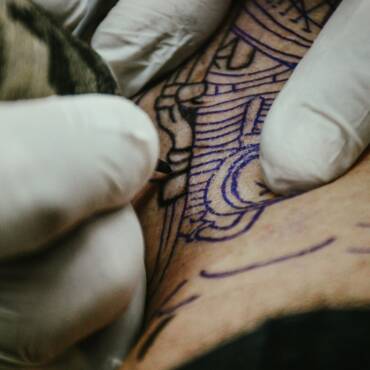
At a professional Bali tattoo shop, the experience from enquiry to aftercare should feel organised and unhurried. You should be able to contact the studio before you arrive, whether by Instagram DM, WhatsApp or email, to discuss your idea and get a quote. On the day, the artist should take time to review your design, confirm placement and sizing, and apply a stencil before any ink touches your skin. The workstation should be set up cleanly in front of you. During the session, the artist should check in on your comfort and explain what they’re doing if you ask. Afterward, you’ll receive written or verbal aftercare instructions. If a studio skips or rushes any of these steps, that’s worth noting. If you’re looking for a professional tattoo studio in Kuta Bali that operates to this standard, Downunder Tattoo Bali ticks every one of these boxes, backed by hundreds of verified Google reviews from Australian and international travellers.
The bottom line is that a great tattoo experience in Bali is absolutely achievable. It just requires ten minutes of research before you walk through anyone’s door. Check the reviews, look at healed portfolio work, ask the hygiene questions, and match the artist to your style. Do those four things and you’ll leave Bali with a piece you’re proud to show off, rather than one you’re hoping fades quickly.
If you’re back in Perth between tattoo adventures, North Of Perth Music Festival has been running for over 69 years and welcomes performers of all ages across a range of categories.