Getting a tattoo in Bali is one of those travel experiences that stays with you long after you board the plane home. Prices are affordable, the artistic talent is genuine, and the island’s creative energy makes the whole thing feel right. But not every studio in Bali operates to the same standard, and knowing what to look for before you walk through a door can make the difference between a tattoo you love for life and one you regret. This guide covers everything you need to plan a Bali tattoo confidently, from choosing a style to understanding hygiene standards.
Why Travellers Choose Bali for Their Next Tattoo
Bali has earned a genuine reputation as one of the best places in the world to get tattooed, and that reputation is built on a few real advantages. The cost of a quality tattoo is significantly lower than in Australia, New Zealand or Europe, which means travellers can afford larger, more detailed work that would stretch the budget at home. Beyond price, Bali attracts skilled artists who have trained across a wide range of styles, from intricate fine line work to bold traditional Japanese, detailed realism and classic old school designs. The result is a market where artistic quality is genuinely high, provided you choose the right studio. Kuta in particular has become a hub for tattoo shops, making it the most convenient base for tourists who want professional ink without travelling far from the beach.
How to Spot a Hygienic Tattoo Studio in Bali
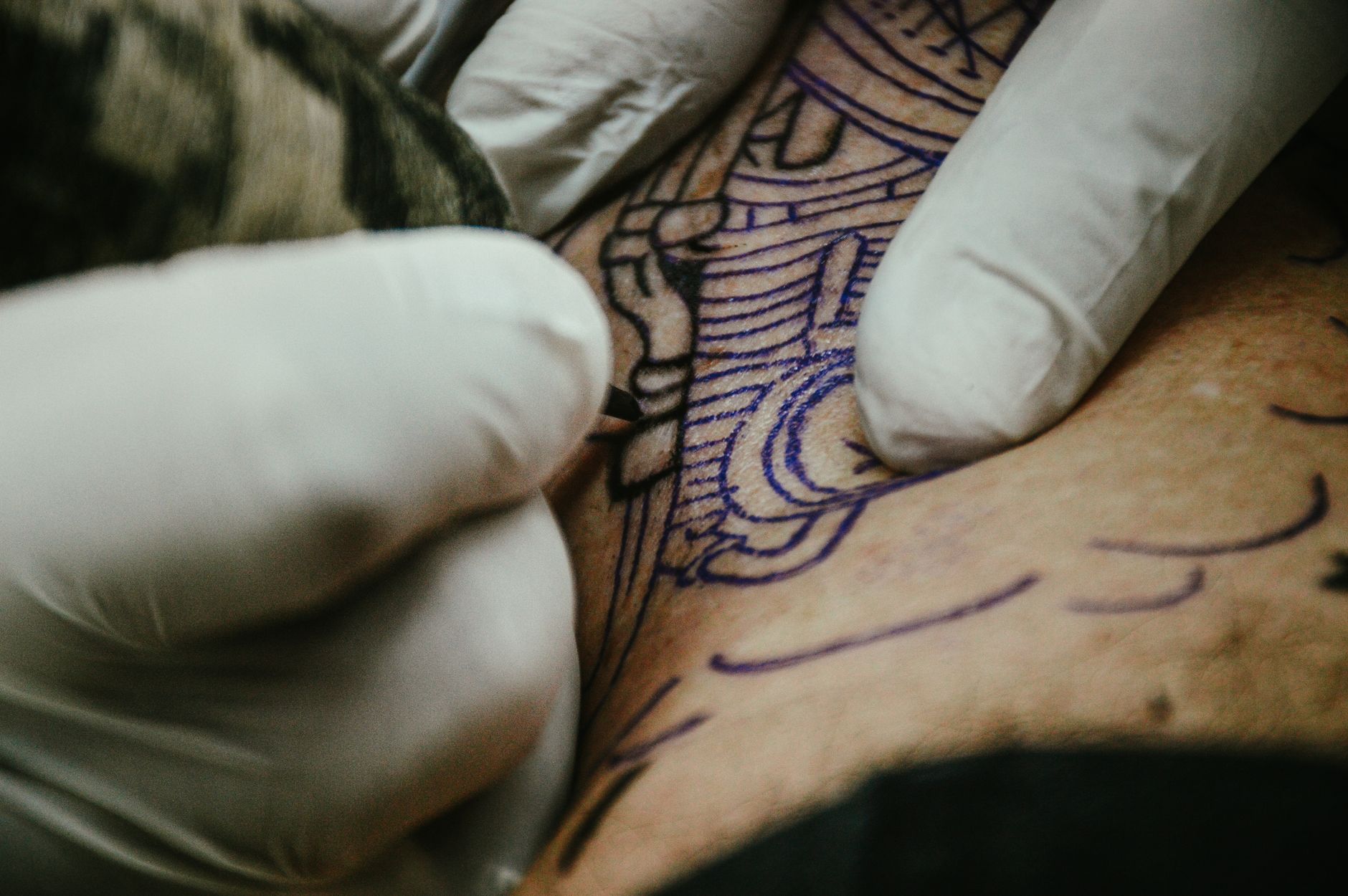
Hygiene is the single most important factor when choosing a tattoo studio anywhere in the world, and Bali is no exception. A trustworthy studio will use single-use, individually sealed needles opened in front of you, and will dispose of them immediately after your session. Ink should be poured into fresh, single-use caps rather than applied directly from a shared bottle. Surfaces, armrests and workstations should be wiped down with hospital-grade disinfectant between clients, and artists should wear fresh gloves throughout your tattoo. The studio itself should look clean, feel professional and smell like a medical environment rather than a tourist shop. Ask questions before you commit. Any reputable artist will welcome them. Western-owned studios tend to apply stricter oversight because their owners understand what international clients expect and have reputations that extend far beyond the island.
Popular Tattoo Styles Available in Kuta
One of the real pleasures of getting a Bali tattoo is the variety of styles available within a short walk of most accommodation in Kuta. Fine line tattoos remain extremely popular with travellers, particularly for botanical designs, constellations and portraits. Blackwork and geometric styles suit the bold graphic look that photographs well and ages reliably. Japanese tattooing, including koi, dragons, peonies and waves, is well represented by artists who have studied the style seriously. Realism, both colour and black-and-grey, has grown significantly in quality at reputable studios. Old school and neo-traditional designs suit travellers who want something classic and bold. Cover-up work is also in demand from people using their Bali trip as an opportunity to fix an older tattoo. The key is to match your chosen artist to your chosen style rather than picking a studio and then settling for whatever is available.
Planning Your Tattoo Before You Fly
The travellers who get the best results are almost always the ones who plan ahead. Start by saving reference images that capture the style, placement and rough size you want. A clear brief makes it far easier for an artist to give you an accurate quote and to prepare a design that reflects what you actually have in mind. Contact the studio before you travel, share your references and confirm availability, especially if you are visiting during peak season around July and August when demand is high. Booking in advance also gives the artist time to prepare a custom design rather than adapting something off the wall. Think about placement carefully, as larger pieces on the ribs, thighs or back require longer sessions and more healing time before a long flight home. Building a day or two of buffer between your tattoo appointment and your departure date gives your skin time to settle.
What a Bali Tattoo Session Actually Costs
Pricing in Bali is typically calculated by piece size and complexity rather than by the hour, though some artists use hourly rates for larger work. A small, simple design will cost a fraction of what you would pay in Sydney or Melbourne, while a large custom sleeve or detailed realism piece will still be meaningfully cheaper than comparable work in Australia or Europe. Be cautious of studios advertising extremely low prices, as quality and hygiene tend to drop alongside the quote. The best studios price their work fairly because they are paying for genuine supplies, experienced artists and proper sterilisation processes. A reasonable mid-range quote from a reputable Kuta studio is a sign of a business that takes its work seriously, not a red flag to negotiate down. For a fuller breakdown of what to budget and what questions to ask, the article Tattoo Bali Indonesia: What Travellers Need to Know in 2026 covers the practical side in detail.
Aftercare on Holiday: Keeping Your New Tattoo Safe
Bali’s heat, humidity and salt water create a healing environment that is quite different from what most travellers experience at home, and adjusting your aftercare routine matters. For the first few days, keep the tattoo clean and dry, washing gently with mild unscented soap and applying a thin layer of unscented moisturiser or the aftercare product your artist recommends. Avoid direct sun exposure on a fresh tattoo, which is a real challenge in Bali, so plan your beach days around your appointment. Stay out of the ocean, pools and any body of water until the surface has healed, typically at least two weeks. Wear loose, breathable clothing over the tattoo to protect it from sun and friction. Your artist should provide written aftercare instructions, and a good studio will also be reachable after your session if you have questions or concerns during your trip.
Piercings in Bali: The Same Rules Apply
Many travellers who come in for a tattoo also use the opportunity to get a piercing, and the same hygiene principles apply. Reputable studios use implant-grade titanium or surgical steel jewellery, autoclave-sterilise their equipment and follow strict single-use needle protocols. Avoid any piercing studio that uses a gun rather than a needle, as guns cannot be properly sterilised and cause unnecessary tissue trauma. Placement advice from an experienced piercer matters too, particularly for cartilage work, helix, daith or septum piercings where angle and depth affect both comfort and long-term positioning. Kuta has studios that handle piercings professionally alongside tattooing, so combining the two in a single visit is practical for travellers who want to make the most of their time in Bali.
Downunder Tattoo Bali: Australian Standards in the Heart of Kuta
Downunder Tattoo Bali is an Australian-owned studio in Kuta with a 5.0-star rating across 268 Google reviews, built entirely on the experiences of real travellers who came looking for quality and hygiene and found both. The studio applies the Western hygiene standards that Australian and New Zealand clients expect, working with a team of skilled local artists who cover a wide range of styles. Whether you are after a small souvenir piece, a large custom design or a cover-up, the team can guide you from concept to finished tattoo. If you are ready to plan your appointment or want to browse the studio’s work before you book, visit the professional tattoo and piercing studio in Kuta, Bali and get in touch directly. Bringing home a great tattoo from Bali starts with choosing the right studio, and that decision is worth making carefully.